Best Place to Buy Beats Online: Marketplaces vs Direct Stores
Searching for production online usually leads independent artists down one of two paths: massive multi-producer marketplaces or boutique direct producer stores. Finding the best place to buy beats is not about declaring one platform universally superior—it is about knowing which buying model matches your current project, budget, and licensing needs before you head to checkout.
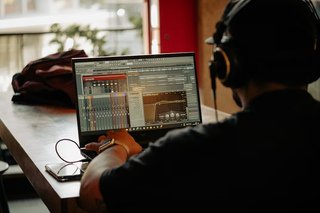
Best Place to Buy Beats Online: What Independent Artists Should Look For
When independent artists decide to buy beats online, they often focus entirely on the preview player. If the melody catches their ear and the drums hit hard, they add the track to their cart and check out.
However, licensing a beat for a commercial release involves much more than downloading an audio file. What an artist truly needs to look for is audio engineering quality (headroom and clean stems), clear legal licensing terms, predictable usage limits, transparent pricing without hidden platform markups, and protection against automated copyright claims.
Today, artists researching the best place to buy beats have two main options: multi-seller beat marketplaces (like BeatStars or Airbit) and direct producer storefronts. Neither option is automatically “better” in every scenario—each serves a very different purpose depending on what kind of record you are making.
1. Marketplace vs. Direct Producer Store: Quick Comparison
Before breaking down the pros and cons of each model, here is how aggregator marketplaces compare against direct producer websites across key operational parameters:
Swipe left or right to view the full table.
| Evaluation Metric | Beat Marketplaces (BeatStars, Airbit) | Direct Producer Stores |
|---|---|---|
| Catalog Size & Variety | Massive (millions of beats across all genres) | Focused & Curated (50 to 300+ specialized tracks) |
| Genre Specialization | Broad (everything from Country to Hyperpop) | Deep focus on specific lanes (e.g., Dark R&B, Trap) |
| Mix & Master Consistency | Varies wildly from seller to seller | Consistent engineering, vocal headroom, and loudness |
| Checkout Pricing & Fees | Frequently tacks on platform service and processing fees | Transparent pricing with zero third-party platform markups |
| Licensing Standardization | Varies (custom vs. default platform templates) | Standardized, predictable store-wide terms |
| Producer Communication | Filtered through platform DMs or support tickets | Direct contact with the producer for stem support |
[CHOOSING YOUR PURCHASING PATHWAY]

   WHAT IS YOUR PRIMARY GOAL FOR THIS SESSION?
                        │
        ┌───────────────┴───────────────┐
        ▼                               ▼
 "I want to browse 50 different   "I have a defined vocal style and
  genres and type-beat styles      need consistent mixes, clean stems,
  in one search engine."           and direct licensing terms."
        │                               │
        ▼                               ▼
 [BEAT MARKETPLACES]             [DIRECT PRODUCER STORE]
2. Third-Party Beat Marketplaces: Pros and Cons
Marketplaces like BeatStars, Airbit, and Soundee operate as massive search engines where hundreds of thousands of independent producers upload their catalogs.
Advantages of Marketplaces
Unmatched Genre Variety: If you are experimenting with different sounds and want to audition boom-bap, drill, pop, and acoustic tracks in a single session, marketplaces offer an endless supply of audio.
Advanced Search Filters: You can filter thousands of uploads by exact BPM, musical key, mood tags, and artist “type beat” keywords within seconds.
Unified Account Management: If you purchase tracks from ten different producers on the same platform, your receipts and license agreements are stored inside a single user dashboard.
Disadvantages of Marketplaces
Inconsistent Audio Quality: Because anyone can open an account, engineering standards vary drastically. One beat may be professionally mixed, while the next is heavily clipped, over-compressed, and leaves zero dynamic headroom for your vocals.
Algorithmic Chasing: Marketplace charts reward high upload volume and trending tags. As a result, the top pages are often flooded with repetitive, formulaic loops that hundreds of other artists have already downloaded.
Added Platform Fees & Surcharges: Aggregators frequently tack on marketplace service fees, currency conversion markups, or transaction add-ons at checkout, inflating the final cost of a standard lease.
Impersonal Support: If a stem folder is missing a file or has a rendering error, reaching an inactive seller through marketplace messaging can delay your mixing session for days.
3. Direct Producer Stores: Pros and Cons
A direct producer store is an independent website owned and operated by a single music producer or a dedicated production team.
Advantages of Direct Producer Stores
Consistent Sonic Identity: Direct stores specialize in a specific sonic lane. When you find a producer whose drums, chord progressions, and atmospheric textures fit your voice, every track in their catalog is built to that same standard.
Predictable Mixing & Vocal Pockets: Boutique producers mix their catalogs through calibrated monitoring chains. You know in advance that the sub-bass is tuned, the midrange has space carved out for a vocal topline, and the stems will align cleanly in your DAW.
Zero Platform Surcharges: Because you are buying directly from the source, you never pay intermediate platform fees or aggregator service taxes. Every dollar of your budget goes strictly toward the production license and higher-tier audio files.
Clear, Uniform Licensing: Instead of reading ten different contracts from ten random sellers, a direct store uses uniform licensing tiers. Once you review their WAV or Stem agreement, you know the exact rules for every future purchase.
Direct Producer Relationship: If you need an arrangement tweak, a custom tempo version, or an exclusive buyout negotiation, you are speaking directly to the creator who holds the master project file.
Disadvantages of Direct Producer Stores
Smaller Catalog Volume: A single producer or collective cannot match the sheer numerical volume of a global marketplace. You are browsing hundreds of curated beats rather than millions.
Focused Style Boundaries: If a direct store specializes strictly in moody R&B and melodic trap, you will not find upbeat commercial pop or acoustic country tracks on their site.
4. What to Check Before You Buy Beats for Songs
Whenever you evaluate where to buy beats online—whether through a major marketplace or a direct storefront—always verify these five checkpoints before completing your purchase:
[5-POINT PRE-PURCHASE CHECKLIST]

 1. LICENSE TIER  ──► Does it include uncompressed 24-bit WAV files?
 2. TRACKOUTS     ──► Are individual stems available for full vocal mixing?
 3. USAGE LIMITS  ──► What is the exact stream cap and expiration term?
 4. CONTENT ID    ──► Does the contract prohibit non-exclusive Content ID claims?
 5. EXCLUSIVITY   ──► Are prior leases protected if someone buys Exclusive Rights?
1. License Tiers and File Formats
Never record a commercial single intended for Spotify or Apple Music over a compressed MP3 file. When you buy beats for songs meant for streaming distribution, always verify that your chosen tier includes an uncompressed 24-bit WAV file. To understand how rights scale across different price points, read our breakdown on How Do Beat Leases Work? Stream Limits & Rights Guide.
2. Availability of Tracked-Out Stems
A stereo WAV file works well for demos and rough mixes, but serious commercial releases require Tracked-Out Stems (separate WAV files for the kick, snare, 808, and individual melodies). Having stems allows your mixing engineer to duck conflicting frequencies around your voice and rearrange transitions so your song doesn’t sound like a generic two-track recording.
3. Usage Limits (Stream Caps & Term Length)
Every non-exclusive lease includes commercial usage caps—typically ranging from 50,000 to 500,000 monetized audio streams, alongside a contract duration (e.g., 2 to 5 years, or unlimited). Check these numbers before buying so you know when an upgrade or renewal would be required if your song gains traction.
4. YouTube Content ID Policies
When multiple artists lease the same non-exclusive beat, problems arise if one uninformed artist checks the “YouTube Content ID” box at their distributor. Make sure the store’s licensing contract strictly forbids non-exclusive buyers from registering the beat into automated fingerprinting systems. Learn how to handle false claims in our guide on YouTube Content ID Dispute Leased Beat: Clear Claims Fast.
5. Exclusive Rights & Grandfather Protection
Check what happens if another artist purchases the Exclusive Rights to the instrumental after you have already leased it. A legitimate contract always includes a grandfather clause ensuring your released song stays live on Spotify under your original terms. Review the exact legal mechanics in What Happens If Someone Buys Exclusive Rights to a Beat You Leased?.
5. Final Verdict: When to Choose Which?
When deciding where to buy beats for songs, use this practical framework to choose where to spend your recording budget:
When to Choose a Marketplace
You are still experimenting with your sound: If you haven’t locked in your core genre and want to test your voice across five completely different musical styles in one afternoon.
You need a niche or uncommon genre: If you are looking for a hyper-specific regional subgenre that boutique hip-hop or R&B producers don’t cover.
You are recording non-commercial practice demos: When you just want to browse random trending tags to practice freestyling or songwriting without worrying about cohesive album branding.
When to Choose a Direct Producer Store
You are building a cohesive project or artist brand: If you are putting together an EP, album, or a consistent run of singles and want your production to sound unified and intentional.
You want to keep production budgets optimized: When you want your funds going entirely toward the music license and professional stems rather than covering platform service fees and marketplace processing markups.
You care deeply about vocal mix quality: When you are deciding where to buy beats for music that requires clean low-end separation and carved vocal pockets ready for your mixing engineer.
You want hassle-free licensing and direct support: When you prefer transparent pricing, instant access to organized WAV stems, and direct communication with the producer behind the music.
If you prefer buying directly from a producer, you can browse Prod By DSG beats and compare licensing options before checkout.
Frequently Asked Questions
Q: Where to buy beats for music that can be released on Spotify?
A: You can license commercial-ready beats from both major beat marketplaces and direct producer websites. The critical factor is ensuring your purchase includes a valid non-exclusive or exclusive license agreement and high-resolution WAV or stem files rather than a free download.
Q: Is it better to choose WAV or Trackout stems when you buy beats online?
A: If you are releasing a flagship single on streaming platforms, choosing Trackout stems is always the better investment. Stems give your mixing engineer separate control over every drum and melody layer, allowing them to blend your vocals into the beat cleanly and create custom arrangement drops.
Q: Can two artists buy the same beat from an online store?
A: Yes. Standard beat leases are non-exclusive, meaning multiple artists can legally license the same instrumental and release their own songs on Spotify simultaneously without copyright collisions.
📚 Related Blueprints & Release Guides
Make informed decisions on your next studio session and rollout with our related artist guides:
Understand Lease Agreements: Review stream caps, splits, and contract terms in How Do Beat Leases Work? Stream Limits & Rights Guide.
How Shared Beats Work on DSPs: See how ISRC codes and algorithms handle non-exclusive releases in Can Two Artists Use the Same Leased Beat? What Happens on Spotify.
🎵 Looking for production for your next release?
Browse our latest catalog of late-night Dark R&B and melodic trap instrumentals—mixed with open vocal pockets, clean headroom, and instant stem downloads.